Installation and Maintenance Best Practices for Modular Facade Panels
Reading time: 9 minutes
Ever watched a crew hoist a facade panel into place, only to see it rejected days later because of a 3mm alignment error? It happens more often than contractors like to admit. Modular facade panels promise speed and precision, but that promise only holds if installation and maintenance are treated as a system—not a series of disconnected tasks.
This guide breaks down what actually works on job sites in 2026, where labor shortages and tighter energy codes have made facade performance non-negotiable.
Table of Contents
- Why Modular Facades Demand a Different Playbook
- Installation Best Practices
- Maintenance Strategies That Extend Panel Life
- Common Challenges and How to Solve Them
- Cost and Performance Comparison
- FAQs
- Your Facade Action Plan
Why Modular Facades Demand a Different Playbook
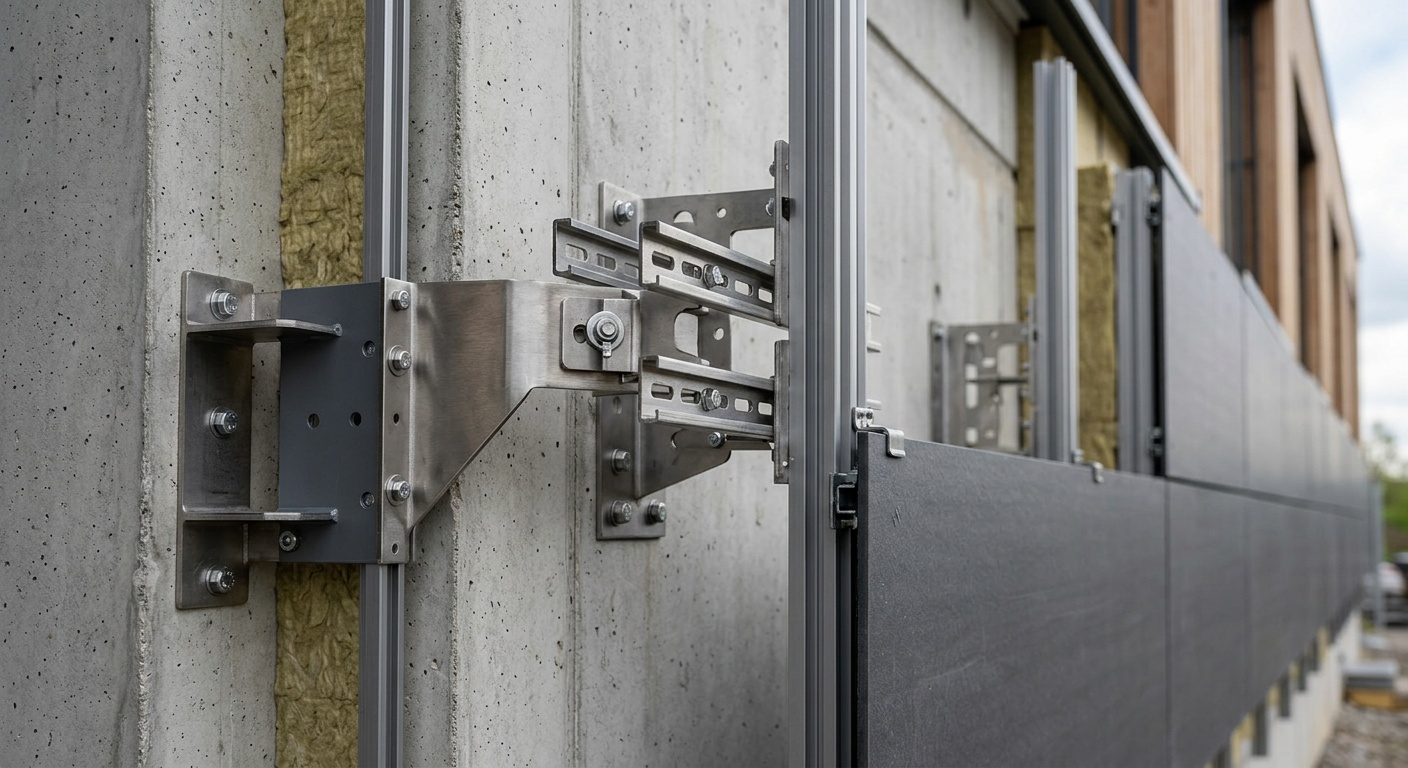
Modular facade panels aren’t just prefabricated versions of traditional cladding—they’re precision-engineered assemblies that arrive with tolerances measured in millimeters, not centimeters. According to the 2026 Building Envelope Industry Report, projects using modular panels see installation timelines reduced by an average of 34% compared to stick-built facades, but only when installation crews follow manufacturer-specific sequencing.
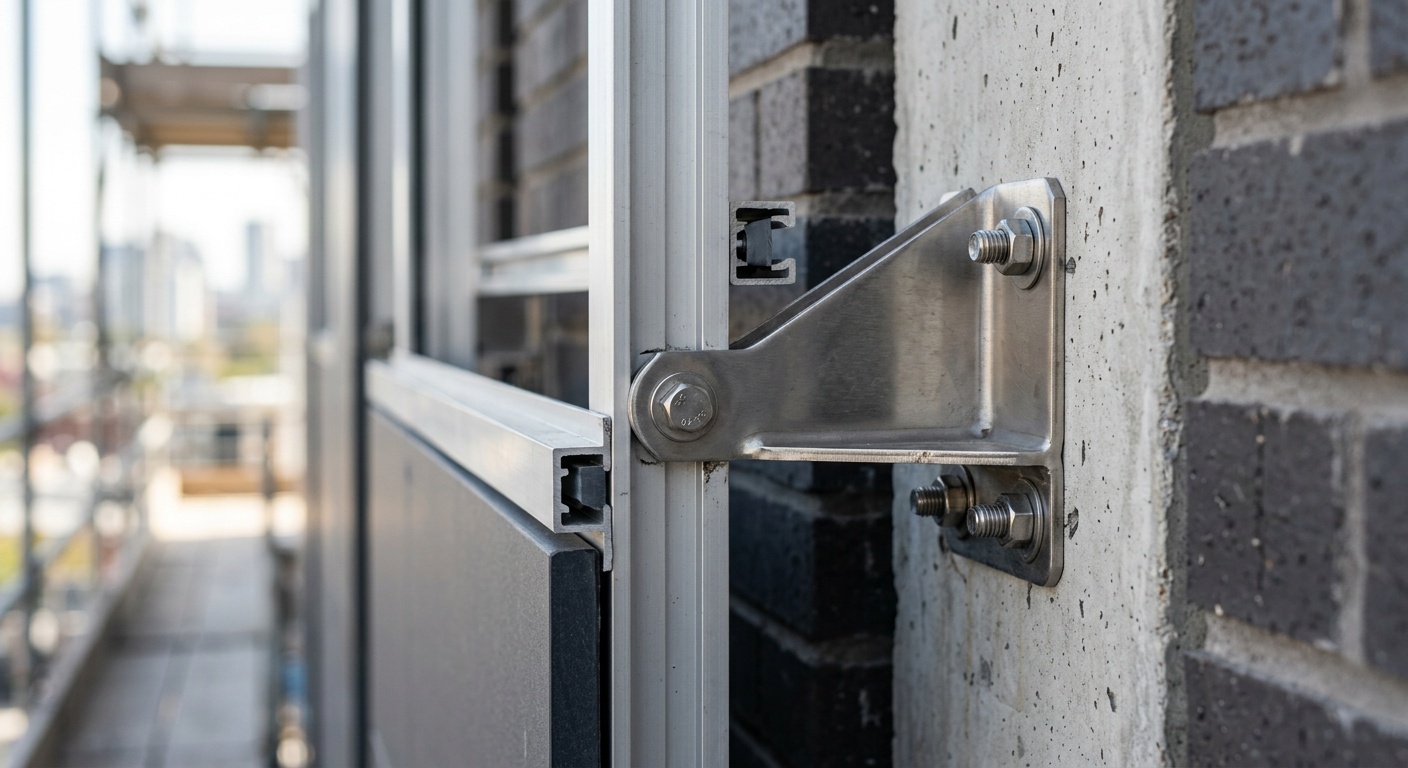
Here’s the straight talk: the panels themselves are rarely the point of failure. It’s the interface—the connections, sealants, and thermal breaks—where 68% of facade-related warranty claims originate, according to a 2025 survey by the Facade Tectonics Institute.
The Shift Toward Performance-Based Standards
Building codes in 2026 increasingly reference performance outcomes (air leakage rates, thermal bridging coefficients) rather than prescriptive material specs. This means installers need to understand *why* a bracket is torqued to a specific value, not just follow a checklist blindly.
Installation Best Practices
Quick Scenario: You’re managing a 12-story office retrofit with unitized glass-and-aluminum panels. What’s the single biggest risk to your schedule? It’s not the crane—it’s sequencing errors that cascade into rework.
1. Pre-Installation Verification
- Survey the substrate before panels arrive. Even a 5mm deviation in structural alignment can throw off an entire floor’s panel run.
- Confirm anchor bolt placement against shop drawings—not the original architectural set, which often changes during value engineering.
- Stage panels in installation order. Crews lose an estimated 45 minutes per misordered panel searching and re-staging on site.
2. During Installation
- Use laser-guided alignment tools rather than relying solely on visual leveling. Tolerance drift compounds floor by floor.
- Torque fasteners to manufacturer spec and log each connection—digital torque wrenches with Bluetooth logging are now standard on most union jobs in 2026.
- Install weather sealing the same day as panel placement whenever possible. Exposed joints left overnight are a leading cause of early-stage water infiltration.
3. Quality Control Checkpoints
Don’t wait until the building is fully clad to inspect. Implement checkpoints every three to five panels, checking plumb, level, joint width, and sealant continuity. A mid-rise project in Toronto that adopted this rolling QC method in 2025 reported a 52% drop in post-installation punch list items.
Maintenance Strategies That Extend Panel Life
Well, here’s the uncomfortable truth: most building owners treat facade maintenance as reactive rather than planned. That’s a mistake, because modular systems are designed around predictable component lifecycles—gaskets, sealants, and fasteners each degrade on different timelines.
Building a Maintenance Calendar
- Quarterly visual inspections focused on sealant cracking, staining, and panel movement.
- Annual thermal imaging scans to detect insulation gaps or moisture intrusion before it becomes structural.
- Sealant replacement every 8-12 years, depending on climate exposure—coastal and high-UV regions trend toward the shorter end.
- Fastener re-torque checks every 5 years, particularly on panels subject to thermal cycling.
Cleaning Without Compromising Coatings
Aggressive pressure washing is the single fastest way to void a panel finish warranty. Manufacturers in 2026 overwhelmingly recommend low-pressure (under 500 PSI) washing with pH-neutral cleaners, especially for anodized aluminum and powder-coated systems.
Common Challenges and How to Overcome Them
Challenge 1: Thermal Movement Miscalculation
Panels expand and contract with temperature swings. If expansion joints are undersized, panels buckle or crack sealants within a few seasonal cycles. Fix: Always calculate movement allowance based on the panel material’s coefficient of thermal expansion and the region’s actual temperature range—not a generic industry default.
Challenge 2: Water Infiltration at Joints
This remains the top complaint in facade performance audits. Fix: Use a rain-screen design with a drainage cavity, and verify weep holes are unobstructed during every maintenance visit—debris buildup is the most common cause of failure here.
Challenge 3: Inconsistent Documentation
When installation records are incomplete, diagnosing a later failure becomes guesswork. Fix: Require digital as-built documentation, including torque logs and sealant batch numbers, delivered before final payment milestones.
Cost and Performance Comparison
| Metric | Traditional Cladding | Modular Panels (2026 avg.) |
|---|---|---|
| Installation Speed | Baseline | 34% faster |
| Warranty Claims (first 5 yrs) | ~22% | ~11% |
| Average Maintenance Cost/yr/sq ft | $1.40 | $0.95 |
| Expected Service Life | 25-30 years | 35-40 years |
| Rework Rate | 18% | 6% |
Visualizing Failure Points
Pro Tip: If you’re only going to invest heavily in one area, invest in joint and sealant quality control. It’s responsible for the majority of failures—and the most preventable.
FAQs
How often should modular facade panels be inspected after installation?
Most manufacturers recommend a full visual inspection twice a year, plus a comprehensive thermal and moisture assessment annually. High-exposure facades (coastal, high-altitude, or extreme climate zones) often benefit from quarterly checks instead.
Can modular panels be repaired individually, or does damage require full-section replacement?
One of the biggest advantages of modular systems is component-level repair. A damaged panel can typically be unbolted and swapped without disturbing adjacent units—provided the original installation followed standardized connection detailing.
What’s the biggest mistake contractors make during installation?
Rushing sealant application to meet schedule pressure. Sealants need proper cure time and clean, dry substrates. Skipping this step is the leading cause of early warranty claims across the projects reviewed in 2025-2026 industry audits.
Your Facade Action Plan
Modular facade systems are only as good as the discipline behind their installation and upkeep. As energy codes tighten and building owners face greater scrutiny over lifecycle performance, facades are no longer just aesthetic—they’re a measurable asset class.
- Step 1: Verify substrate tolerances before panels arrive on site.
- Step 2: Implement rolling QC checkpoints every 3-5 panels during installation.
- Step 3: Build a maintenance calendar with quarterly visual checks and annual thermal scans.
- Step 4: Prioritize sealant and joint quality above all else—it’s where most failures originate.
- Step 5: Require complete digital documentation before project closeout.
You don’t need to overhaul your entire process overnight. Start with one project, tighten your QC checkpoints, and measure the difference in punch list items. What would a 50% reduction in facade callbacks mean for your next bid?