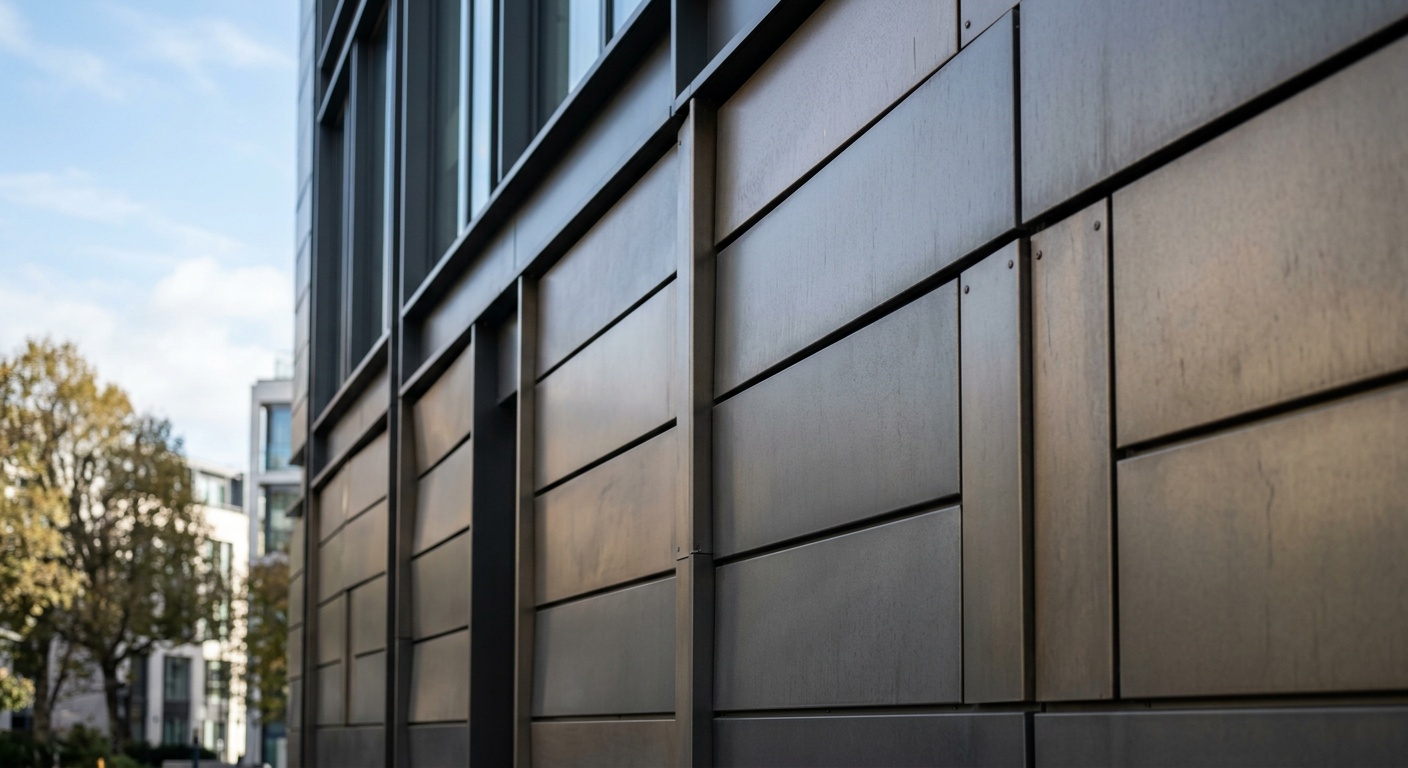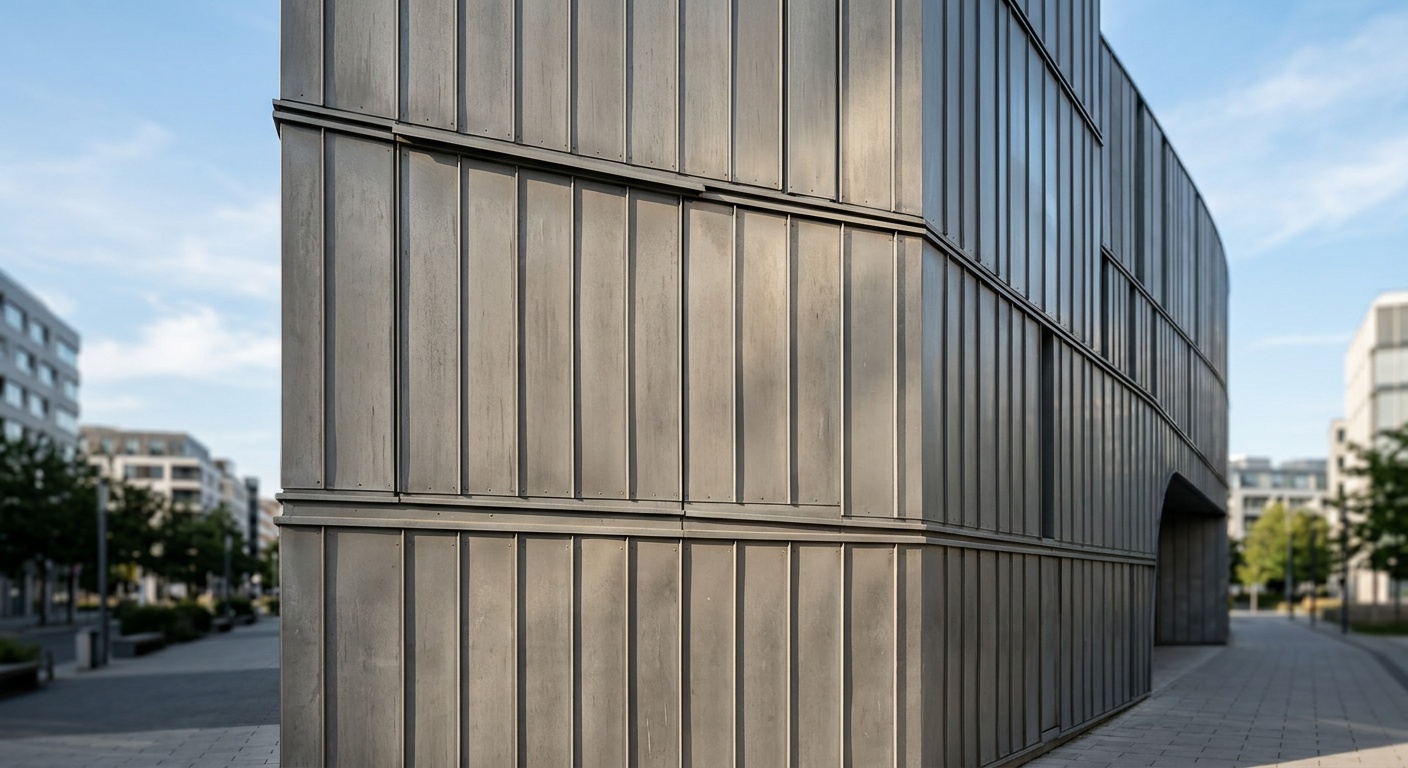
Choosing the Best Facade Panel Materials for Commercial Buildings in 2026
Reading time: 9 minutes
Ever stood outside a half-finished commercial building and wondered why the developer chose that particular skin for the structure? It’s rarely an accident. Facade panel selection sits at the intersection of budget, building codes, climate resilience, and pure aesthetic ambition—and getting it wrong can cost a project millions in remediation years down the line.
Let’s break down what actually matters when you’re specifying facade panels for an office tower, retail center, or mixed-use development in 2026.
Table of Contents
- Why Facade Material Choice Is a Business Decision
- The Major Facade Panel Categories
- Comparing Performance and Cost
- Real-World Selection Scenarios
- Common Challenges (and How to Solve Them)
- Your Roadmap Forward
- FAQs
Why Facade Material Choice Is a Business Decision
Here’s the straight talk: facade panels aren’t just cladding—they’re a long-term financial instrument. According to the International Energy Agency’s 2025 buildings report, envelope performance now accounts for roughly 30-40% of a commercial building’s operational energy use. That means the panel material you choose today directly affects your utility bills, tenant comfort, and even your building’s resale value for the next 25-40 years.
In 2026, with embodied carbon disclosure becoming mandatory in several U.S. states and across the EU under the revised Energy Performance of Buildings Directive, architects and developers can no longer treat facade selection as a purely aesthetic afterthought. It’s now a compliance issue, a marketing asset, and a risk-management tool all at once.
What Changed in the Regulatory Landscape
Following the tragic lessons learned from combustible cladding failures over the past decade, fire safety codes have tightened considerably. Many jurisdictions now require non-combustible or limited-combustibility materials for buildings above certain heights—often 18 meters (roughly six stories) or more. If you’re specifying panels for a mid-rise or high-rise commercial project this year, fire classification (such as Euroclass A2-s1,d0 or ASTM E84 Class A) should be your first filter, not your last.
The Major Facade Panel Categories
There’s no single “best” material—only the best fit for your specific project constraints. Here are the primary contenders architects and specifiers are working with in 2026:
- Aluminum Composite Material (ACM/ACP): Lightweight, cost-effective, and available in nearly unlimited colors. Modern fire-rated ACM panels (FR or A2 core) have largely replaced the flammable polyethylene-core versions banned after high-profile fire incidents.
- High-Pressure Laminate (HPL): Durable, moisture-resistant, and increasingly popular for its warm, wood-like finishes without the maintenance burden of real timber.
- Terracotta and Ceramic Panels: Prized for longevity (often 50+ years) and a distinctive tactile aesthetic; heavier and pricier but virtually maintenance-free.
- Fiber Cement Panels: Excellent fire resistance and moisture stability, a favorite for budget-conscious projects that still need durability.
- Natural Stone Veneer: The premium choice for flagship corporate headquarters—stunning, but heavy, costly to install, and slower to source.
- Glass Fiber Reinforced Concrete (GFRC): Versatile for complex shapes and textures, with strong compressive strength and moderate weight.
Emerging Materials Worth Watching
Bio-based composite panels and recycled-content aluminum are gaining traction as sustainability certifications like LEED v5 and BREEAM 2025 award points for low embodied carbon. A handful of manufacturers rolled out mycelium-based insulated panels for pilot commercial projects in late 2025, and while they’re not yet mainstream, expect wider availability by 2027 as production scales.
Comparing Performance and Cost
Numbers tell the story better than adjectives. Here’s a practical comparison based on average 2026 market pricing and performance data gathered from industry suppliers and building science reports.
| Material | Avg. Cost per m² (USD) | Lifespan (Years) | Fire Rating | Maintenance Level |
|---|---|---|---|---|
| Fire-Rated ACM | $65–$110 | 25–30 | A2-s1,d0 | Low |
| HPL Panels | $70–$120 | 30–35 | B-s2,d0 | Low |
| Terracotta | $140–$220 | 50+ | A1 (Non-combustible) | Very Low |
| Fiber Cement | $50–$90 | 35–40 | A1/A2 | Low |
| Natural Stone Veneer | $180–$320 | 75+ | A1 (Non-combustible) | Very Low |
Visualizing the Cost-to-Lifespan Tradeoff
To make the tradeoffs easier to digest, here’s a simplified comparison of relative long-term value—factoring in upfront cost against expected lifespan (higher percentage = better long-term value per dollar spent):
Real-World Selection Scenarios
Quick Scenario: Imagine you’re the project lead on a seven-story mixed-use development in a coastal city with strict hurricane codes and a tight 2027 completion deadline. What would you specify?
In a case like this—modeled closely on a 2025 Gulf Coast retail-office project—the design team selected fiber cement panels over ACM specifically because of superior wind-load performance and moisture resistance in salt-air environments. The 12% higher upfront cost was offset within an estimated eight years through reduced maintenance and insurance premium discounts tied to non-combustible cladding.
Contrast that with a boutique corporate headquarters project in Denver completed in early 2026, where the developer chose terracotta panels specifically for brand differentiation. As the project architect put it during a recent industry panel: “Clients aren’t just buying a building envelope anymore—they’re buying a 50-year statement. Terracotta gave us a material story that ACM simply couldn’t.”
A third scenario: a fast-track distribution center renovation where budget and schedule dominated every decision. Here, fire-rated ACM panels won out—not because they were the best performer, but because they matched the project’s realistic 15-20 year investment horizon and needed rapid installation with minimal specialty labor.
Matching Material to Building Type
A helpful mental shortcut: high-visibility flagship buildings lean toward stone, terracotta, or premium GFRC. Mid-market office and retail projects gravitate toward fiber cement and HPL. Industrial and fast-track builds typically default to fire-rated ACM for speed and cost control.
Common Challenges (and How to Solve Them)
Well, here’s where theory meets reality. Three challenges show up again and again in facade specification meetings:
Challenge 1: Balancing upfront cost against lifecycle value. Many procurement teams default to the cheapest bid without modeling 20-year maintenance costs. Solution: request a lifecycle cost analysis from your facade consultant before finalizing material selection, not after.
Challenge 2: Navigating inconsistent fire code enforcement across jurisdictions. A panel approved in one state or country may be restricted elsewhere. Solution: verify fire classification against the specific local code—don’t rely on manufacturer marketing claims alone. Always cross-check with an independent fire testing certificate.
Challenge 3: Underestimating installation complexity. Some premium materials, like natural stone veneer, require specialized crews that may not be locally available, inflating both cost and schedule. Solution: confirm labor availability and lead times during the design phase, not during construction mobilization.
FAQs
What’s the most cost-effective facade panel material for a mid-size commercial building in 2026?
Fiber cement panels generally offer the best balance of upfront cost, durability, and fire performance for mid-size commercial projects. They typically cost 20-30% less than terracotta while still delivering 35+ years of service life with minimal maintenance.
How important is embodied carbon when choosing facade materials now?
It’s becoming increasingly critical. With expanded carbon disclosure requirements rolling out across the EU and select U.S. states through 2026-2027, developers pursuing green certifications should prioritize suppliers offering environmental product declarations (EPDs) and recycled-content options.
Can I mix facade panel materials on the same building?
Absolutely, and many award-winning projects do exactly that. Mixing materials—say, terracotta at street level with fiber cement on upper floors—can balance budget constraints with visual impact, provided the transitions are detailed properly to avoid moisture infiltration at joints.
Your Roadmap Forward
Facade panel selection in 2026 isn’t just about picking a pretty finish—it’s a strategic decision that ripples through your budget, compliance obligations, and building’s reputation for decades. As embodied carbon rules tighten and climate-driven weather events intensify, expect material innovation and lifecycle transparency to matter even more by 2028.
- Step 1: Define your building’s fire classification requirements before exploring aesthetics.
- Step 2: Request lifecycle cost comparisons, not just square-meter pricing, from every supplier.
- Step 3: Confirm local labor availability for specialty materials early in design.
- Step 4: Ask for EPDs and recycled-content data to future-proof your sustainability credentials.
- Step 5: Pilot-test samples on-site under real weather conditions before full specification.
So, what’s driving your next facade decision—budget, brand, or building code? Whatever it is, the smartest developers in 2026 are treating that choice as an investment strategy, not just a design detail. Which approach will you take on your next project?